
Your cart
There are no more items in your cart
- News
- 22 likes
- 3979 views
- 0 comments
$12.31
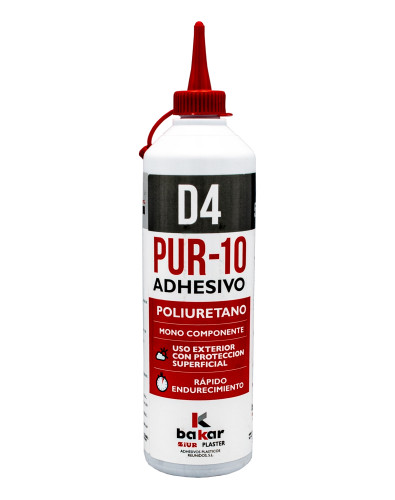
Bakar PUR-10 D4 Polyurethane Adhesive 500 g
Bakar PUR-10 is a one-component polyurethane adhesive rated D4, suitable for structural joints in lutherie when high resistance to moisture and demanding conditions is required. It cures by reacting with humidity from the air and the wood, creating a strong, durable bond.
In addition to workshop use, it is...
$17.10
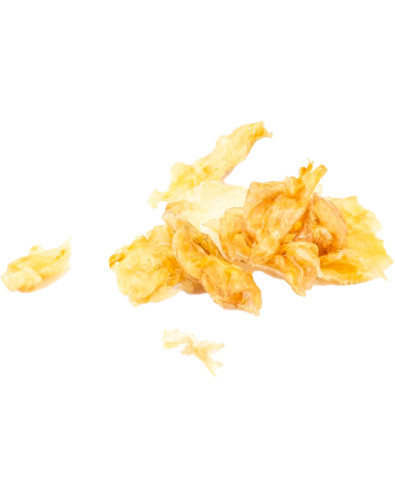
Salianski Isinglass Sheets 20 g
Isinglass is one of the purest and most transparent animal glues, obtained from the swim bladder of sturgeon. It comes in thin, semi-transparent sheets, here offered in 20 g packs, ready for preparation. This variety is the renowned Salianski grade, historically valued for high-end restoration and lutherie.
In lutherie...
$5.78
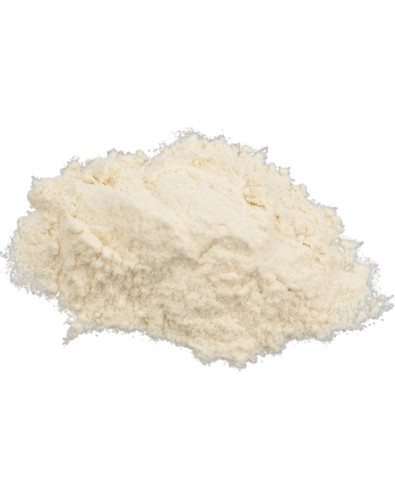
Technical Gelatine Powder 100 g
Technical gelatine powder is a natural animal-based binder derived from bovine hides. It dissolves easily in hot water and is particularly suitable for preparing sizing, grounds, tempera paints, and casting processes.
With its high purity and stable behavior, it is a versatile choice in restoration, lutherie, and fine...
Out-of-Stock
$5.78
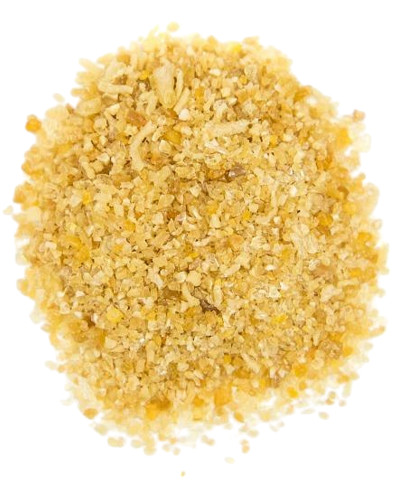
Rabbit Skin Glue Fine Grind 100 g
Rabbit skin glue granules are a natural animal-based adhesive derived from rabbit hides, particularly suited for traditional priming preparations such as gesso and gilding techniques.
They come in the form of fine, light-colored granules that should be soaked in cold water and heated in a water bath for application....
Out-of-Stock
$5.78
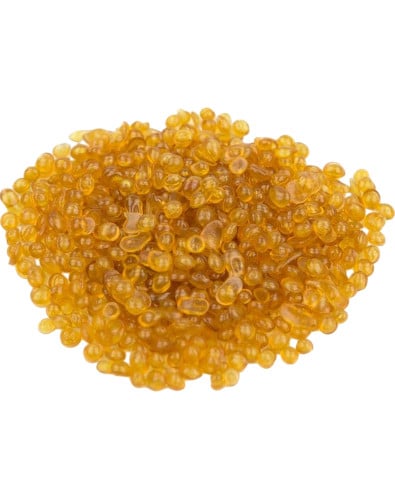
Bone Glue Pearls 100 g
Bone glue pearls are a natural animal-based adhesive derived from bovine bones. Presented in pearl form with a light brown color, it is widely used in wood restoration, traditional woodworking, and painting techniques.
Once soaked in cold water and heated in a water bath, it is applied hot and gels upon cooling. Its water...
$3.11
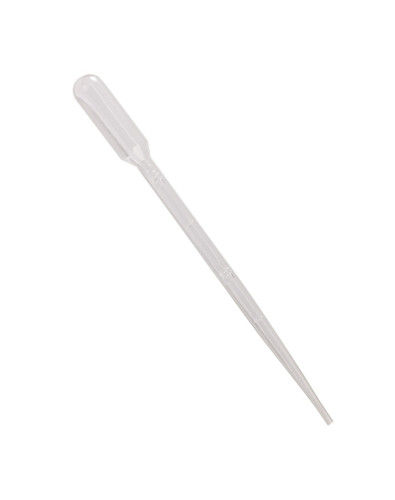
Overview Pipette for Glue 2 ml:
Transparent plastic pipettes for the precise application of glues, dyes, water... Many uses in your workshop.
Features:
Material: Plastic
Capacity: 2 ml
10 pieces pack
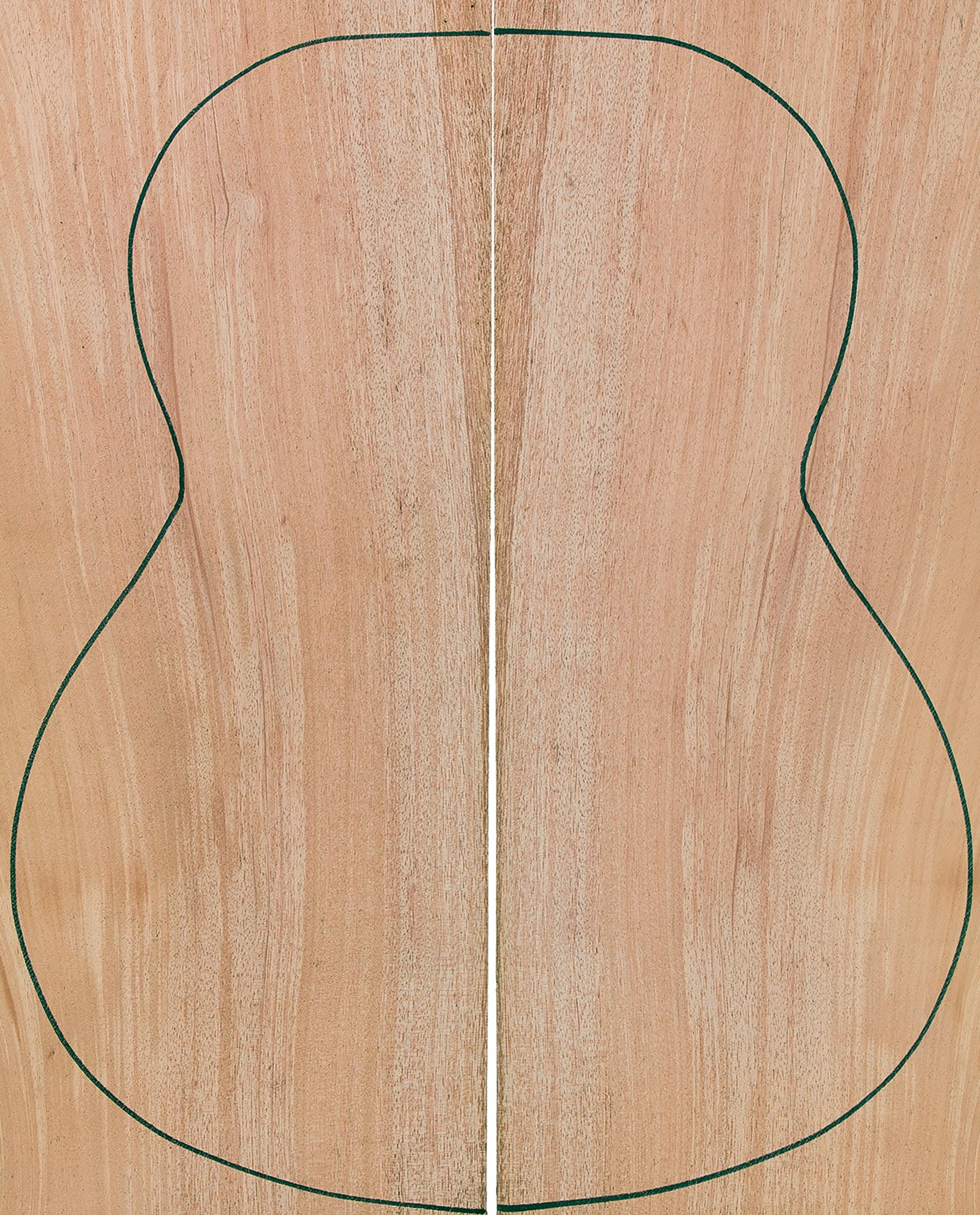
$8.95
Overview A African Mahogany Classical Guitar Backs:
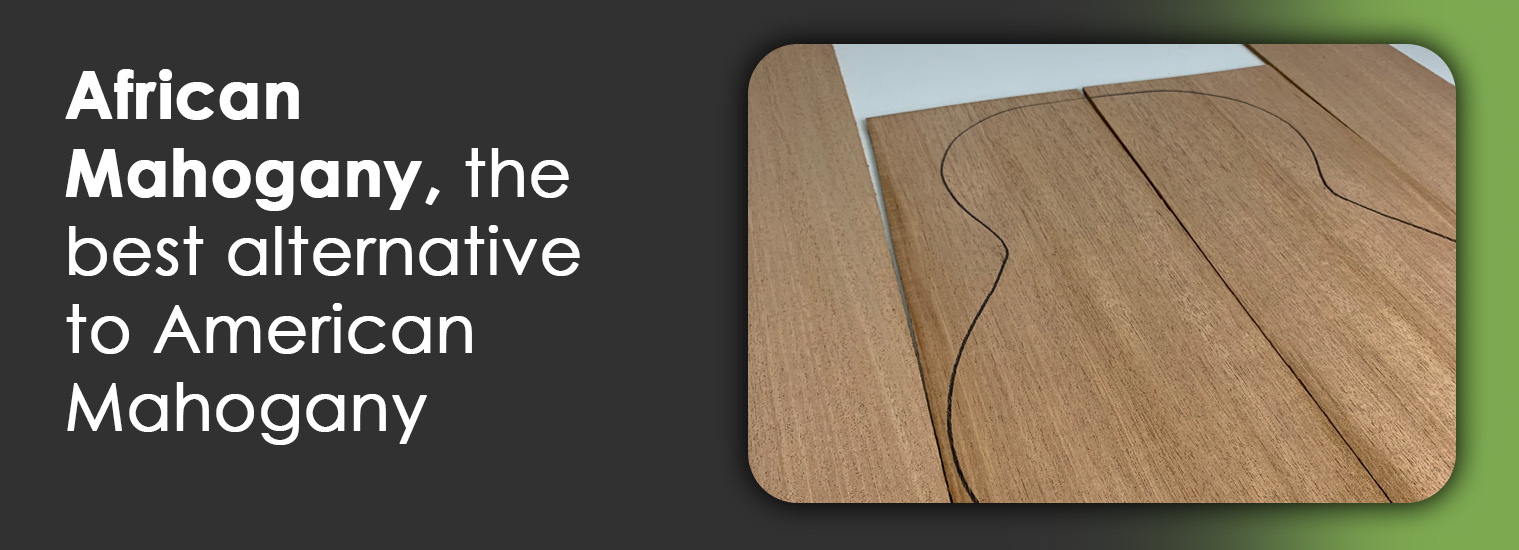
Looking for an cost-effective alternative to mahogany? Try african mahogany wood.African mahogany, also called khaya, is an african wood that has become popular in the last few decades. It is called so because of its visual and mechanical properties resemblance to American mahogany. Its use has become...
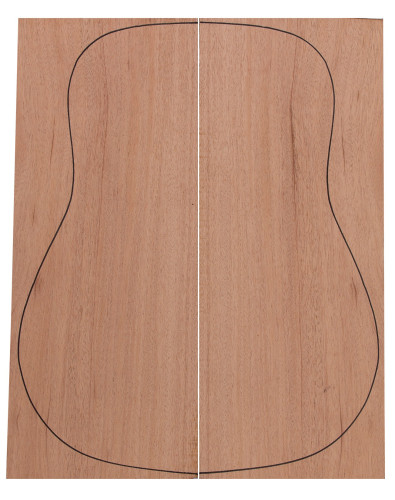
$10.57
Overview B African Mahogany Acoustic Guitar Backs:
Looking for an cost-effective alternative to mahogany? Try african mahogany wood.African mahogany, also called khaya, is an african wood that has become popular in the last few decades. It is called so because of its visual and mechanical properties resemblance to American mahogany. Its use has become so...
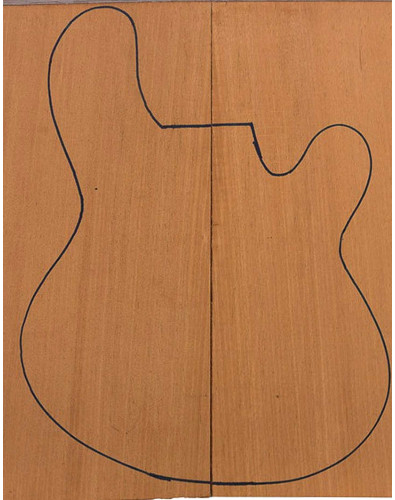
$73.37
Dimensions: 550x200x22/24 mmBotanical Name:Swietenia macrophylla.Origin: BrazilDensity: 490-530 kg/m3Description: Mahogany, it is a pink freshly cut wood, which becomes reddish brown over the years. Its fiber is straight or slightly interlocked, its grain is very beautiful and unique. The drying rate is fast. It is an easy wood to work...
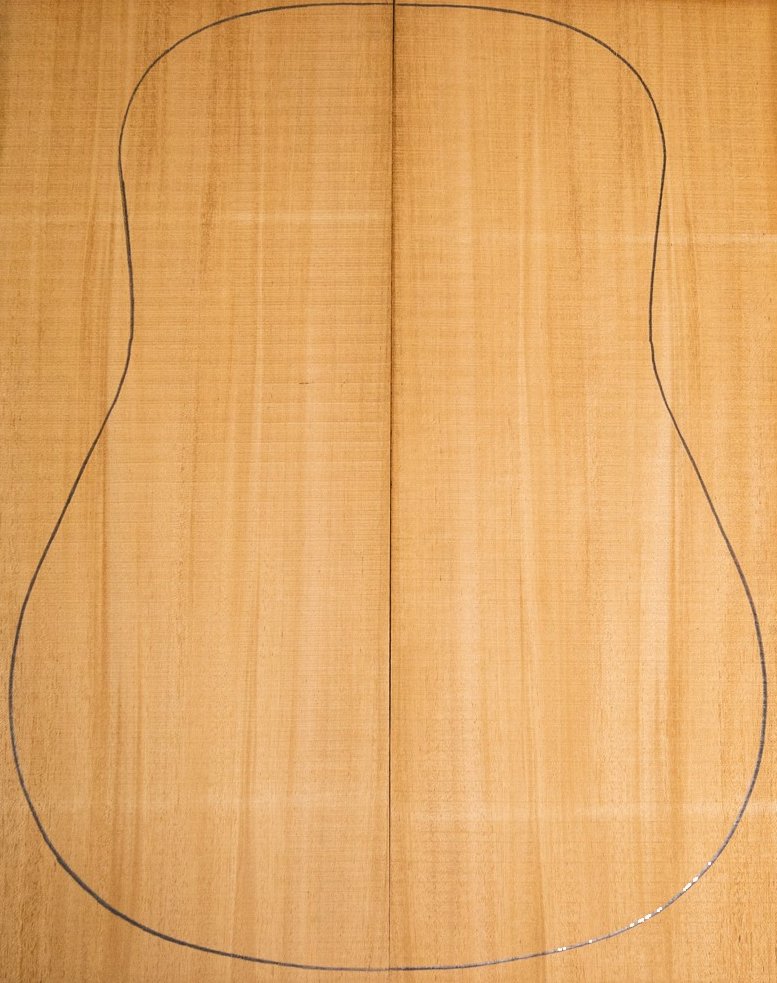
$32.21
Fijian Mahogany Acoustic Guitar Backs General Description:
Fijian Mahogany Backs for Acoustic Guitar are a sustainable and high-quality choice. Fijian Mahogany is a hard and durable wood, with a beautiful reddish color that varies from a light to a dark red tone. This wood is ideal for the construction of musical instruments due to its stability and...
$27.30
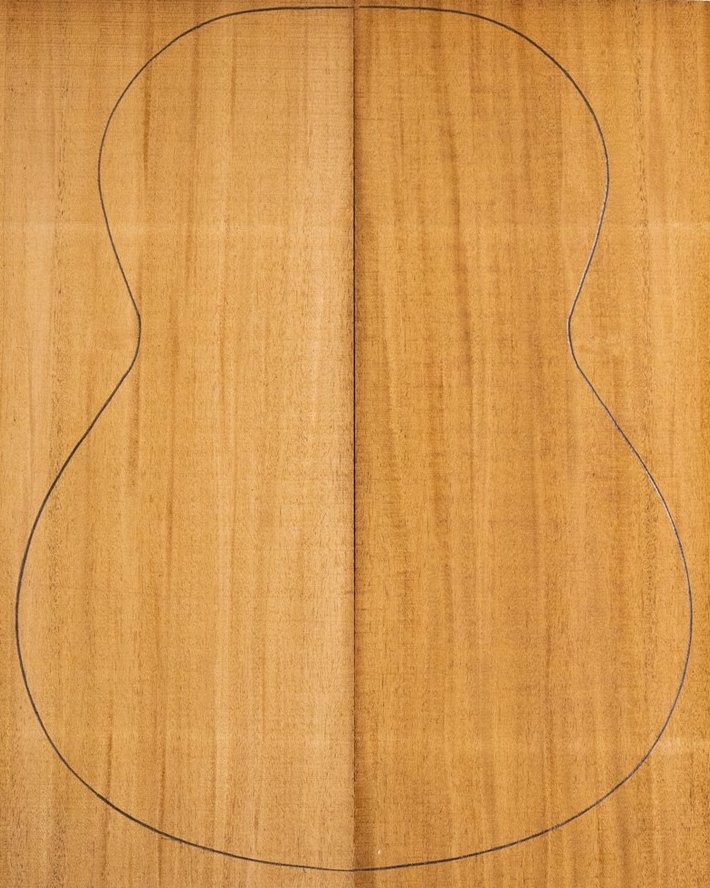
Fijian Mahogany Classical Guitar Backs General Description:
Fijian Mahogany Classical Guitar Backs are a sustainable and high-quality choice. Fijian Mahogany is a hard and durable wood, with a beautiful reddish color that varies from a light to a dark red tone. This wood is ideal for the construction of musical instruments due to its stability and...
$8.95
Overview A African Mahogany Classical Guitar Backs:
Looking for an cost-effective alternative to mahogany? Try african mahogany wood.African mahogany, also called khaya, is an african wood that has become popular in the last few decades. It is called so because of its visual and mechanical properties resemblance to American mahogany. Its use has become...
$10.57
Overview B African Mahogany Acoustic Guitar Backs:
Looking for an cost-effective alternative to mahogany? Try african mahogany wood.African mahogany, also called khaya, is an african wood that has become popular in the last few decades. It is called so because of its visual and mechanical properties resemblance to American mahogany. Its use has become so...
$73.37
Dimensions: 550x200x22/24 mmBotanical Name:Swietenia macrophylla.Origin: BrazilDensity: 490-530 kg/m3Description: Mahogany, it is a pink freshly cut wood, which becomes reddish brown over the years. Its fiber is straight or slightly interlocked, its grain is very beautiful and unique. The drying rate is fast. It is an easy wood to work...
$32.21
Fijian Mahogany Acoustic Guitar Backs General Description:
Fijian Mahogany Backs for Acoustic Guitar are a sustainable and high-quality choice. Fijian Mahogany is a hard and durable wood, with a beautiful reddish color that varies from a light to a dark red tone. This wood is ideal for the construction of musical instruments due to its stability and...
$27.30
Fijian Mahogany Classical Guitar Backs General Description:
Fijian Mahogany Classical Guitar Backs are a sustainable and high-quality choice. Fijian Mahogany is a hard and durable wood, with a beautiful reddish color that varies from a light to a dark red tone. This wood is ideal for the construction of musical instruments due to its stability and...

Comments (0)
No comments at this moment
