
Your cart
There are no more items in your cart
- News
- 0 likes
- 5751 views
- 0 comments
Wood for Lathe
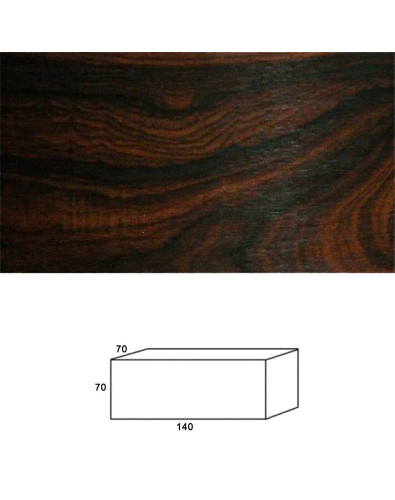
Cocobolo Wood for Woodturning and Carving
$56.21
Cocobolo Wood for Woodturning and Carving
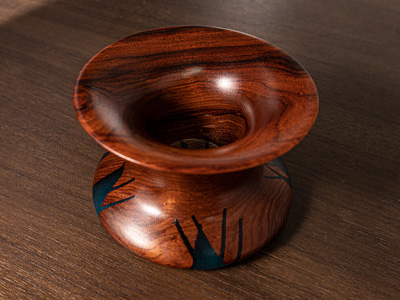
Cocobolo is one of the most striking woods for decorative turning and carving. Its vivid grain with red, orange, and black tones, paired with a very high density (990–1250 kg/m³), gives it unmatched presence and polishability.
Native to Central America and botanically known as Dalbergia retusa, it’s perfect for...
Wood for Lathe
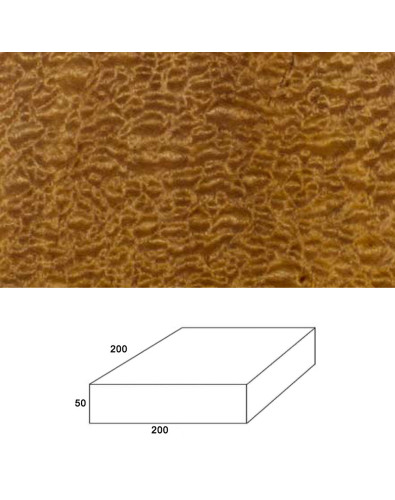
Quilted Sapele Wood for Woodturning and Carving
$33.95
Quilted Sapele Wood for Woodturning and CarvingQuilted Sapele is known for its deeply undulating grain that creates a striking three-dimensional appearance. With a density of 650 kg/m³, it offers both aesthetic appeal and reliable workability for turning and carving.Native to Central Africa and botanically classified as Entandrophragma cylindricum, it...
Wood for Lathe
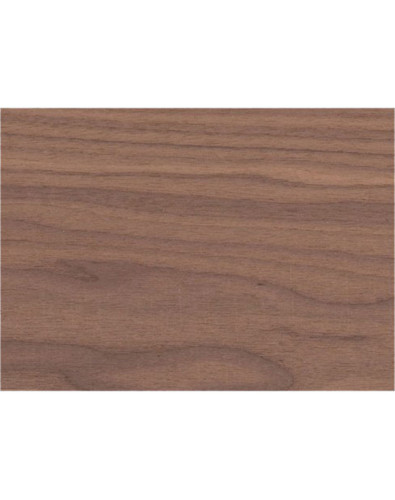
American Walnut Wood for Woodturning and Carving
$4.48
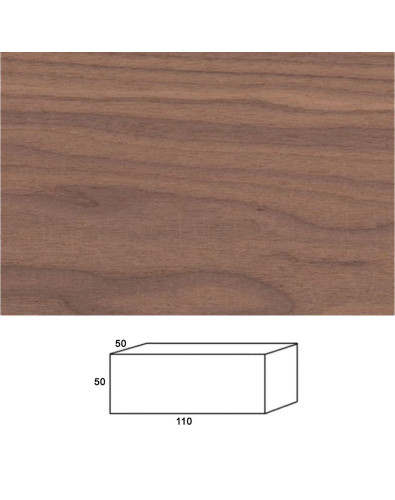
American Walnut Wood for Woodturning and Carving
American walnut is a sophisticated and reliable choice for woodturning and carving. Its dark brown tone with warm, defined grain and density of 550–660 kg/m³ offer a great balance between beauty and workability.
Native to the United States and Canada and botanically known as Juglans nigra, it’s well...
Wood for Lathe
Exotic Ebony Wood for Woodturning and Carving
$19.53
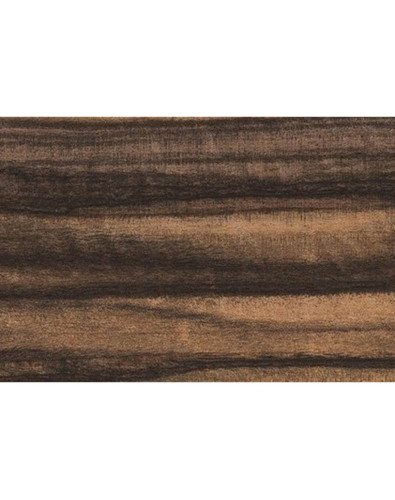
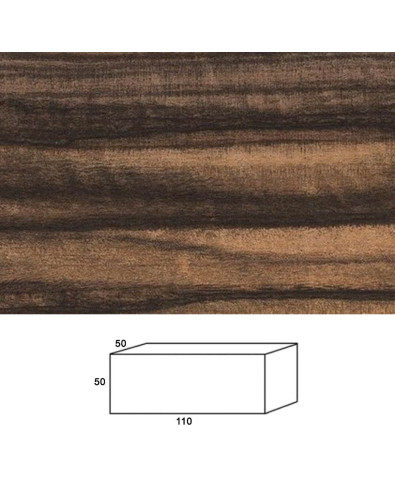
Exotic Ebony Wood for Woodturning and Carving
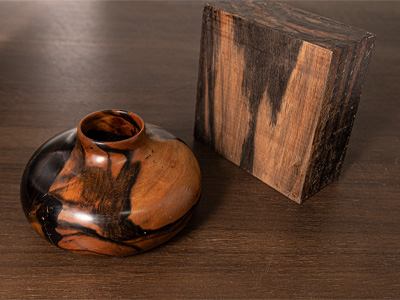
Exotic ebony is one of the densest and most valued woods in the world. With a density of 1000–1275 kg/m³, it offers an ultra-fine texture and a naturally polished finish. Its deep black color, highlighted by a striking grain pattern with light and dark contrasts, makes each piece visually stunning.
Native to...
Wood for Lathe
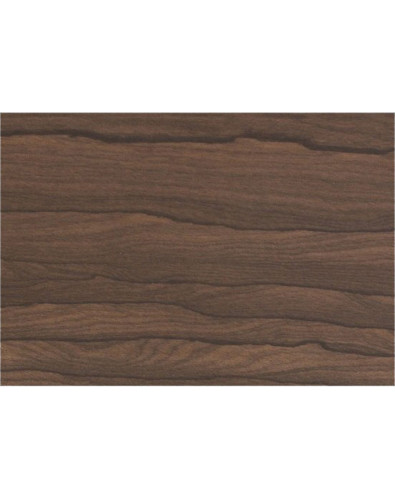
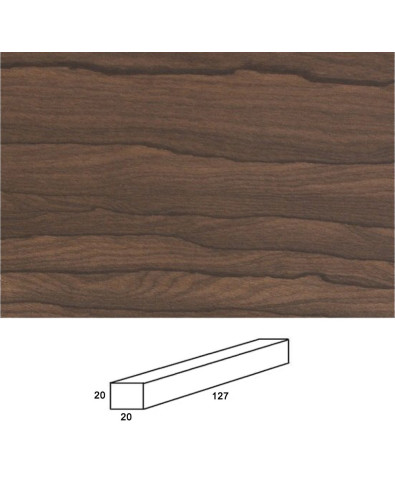
Bariolé Padauk Wood for Woodturning and Carving
$7.34
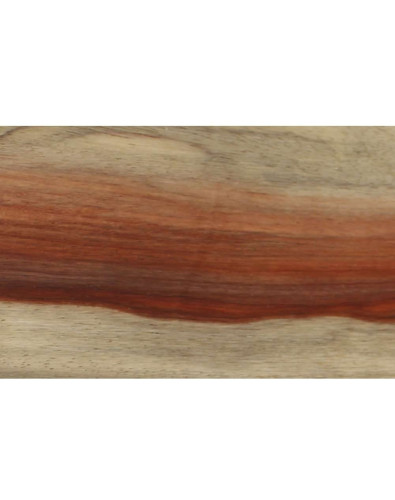
Bariolé Padauk Wood for Woodturning and Carving
Bariolé Padauk is a visually striking variation of Pterocarpus soyauxii, known for its highly contrasting grain pattern and rich, expressive tone. Its warm reddish base interspersed with golden or dark streaks makes it ideal for standout projects. With a density of 825 kg/m³, it offers great stability and...
Wood for Lathe
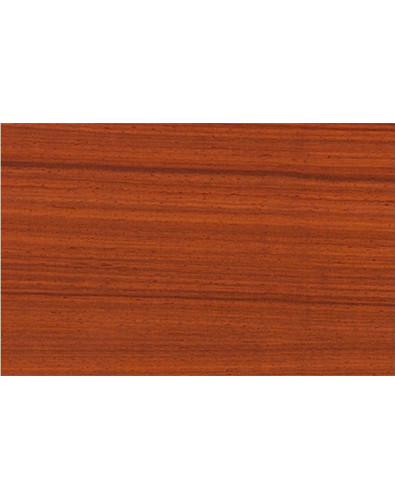
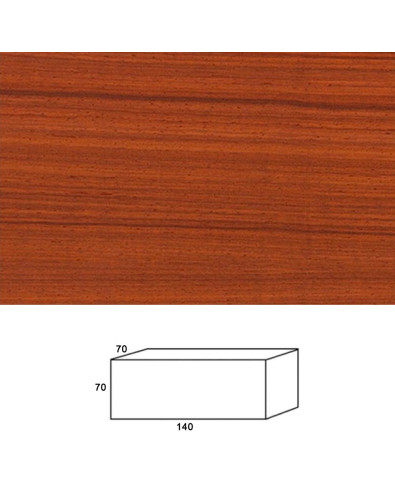
Ziricote Wood for Woodturning and Carving
$3.36
Ziricote Wood for Woodturning and Carving
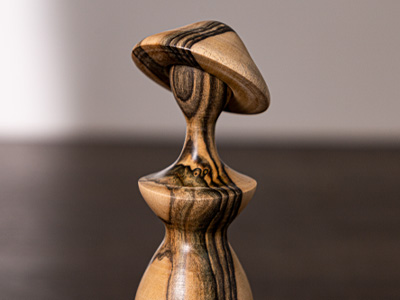
Ziricote stands out for its dramatic grain patterns in black, brown, and grey tones, often resembling landscapes or abstract silhouettes. With a density of 805 kg/m³, it's dense and stable—ideal for precision work.
Native to Central America and botanically known as Cordia dodecandra, it turns beautifully,...
Wood for Lathe
Padauk Wood for Woodturning and Carving
$8.95
Padauk Wood for Woodturning and Carving
Whether you're turning or carving, Padauk wood offers a highly valued combination: intense red color, even grain, and a structure that allows clean, precise cuts without chipping. It has the ideal consistency for detailed work, without being overly hard, making it easy to handle both on the lathe and with hand...
Wood for Lathe
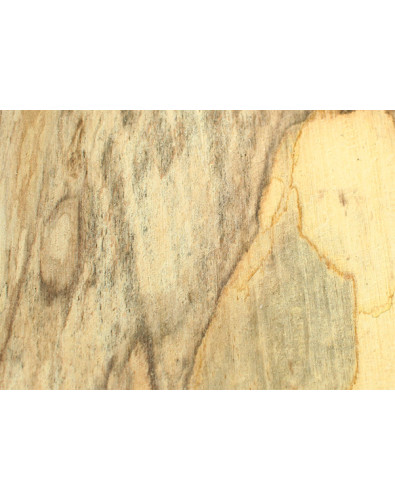
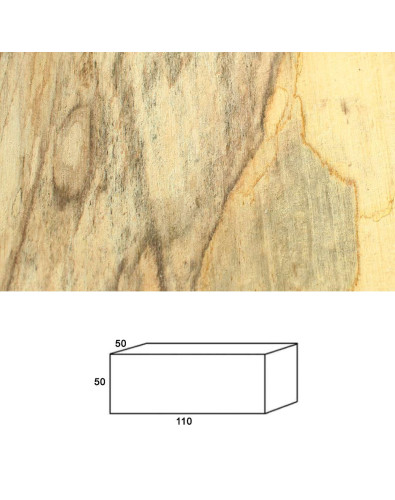
Spalted Beech Wood for Woodturning and Carving
$5.22
Spalted Beech Wood for Woodturning and Carving
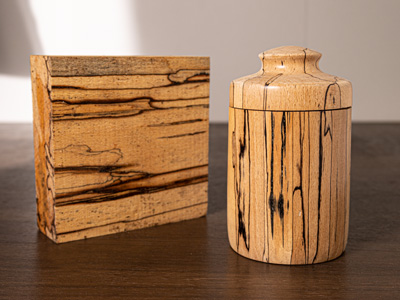
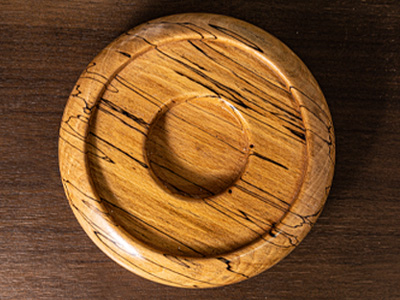
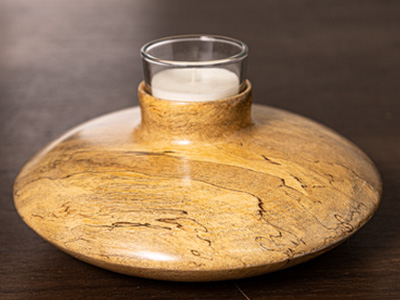
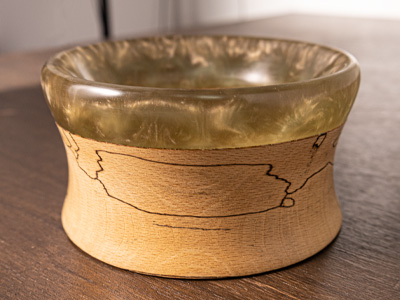
Spalted Beech is a variation of Fagus sylvatica known for its dark, irregular lines, caused by a natural fungal process that does not compromise the wood's integrity. Its look makes it ideal for decorative work.
With a medium density of 710 kg/m³, it is firm yet easy to shape, both on the lathe and by hand....
Wood for Lathe
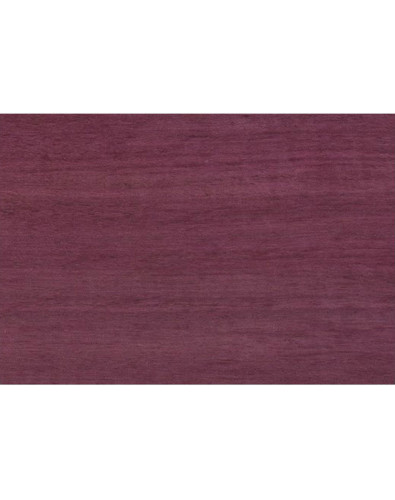
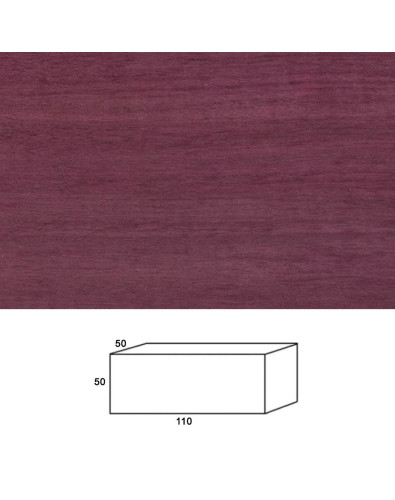
Purpleheart Wood for Woodturning and Carving
$3.86
Purpleheart Wood for Woodturning and Carving
Purpleheart stands out for its vivid purple color and excellent dimensional stability. With a density of 880 kg/m³, it has a fine, compact texture that works well for turning and carving, though it requires sharp tools and some experience. Its color deepens after cutting and may darken over time or with oil...
Wood for Lathe
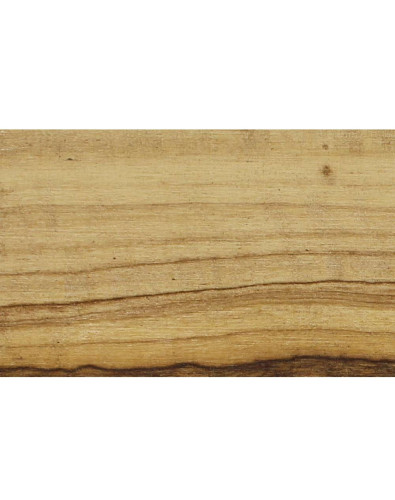
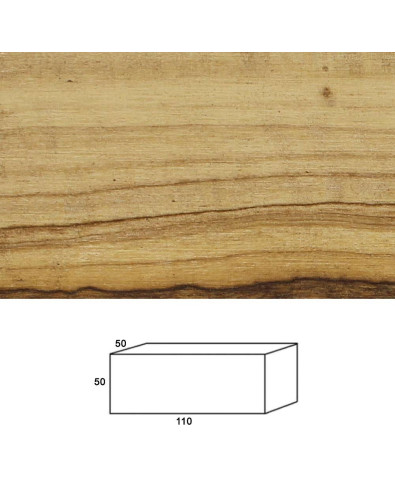
Olive Wood for Woodturning and Carving
$6.22
Olive Wood for Woodturning and Carving
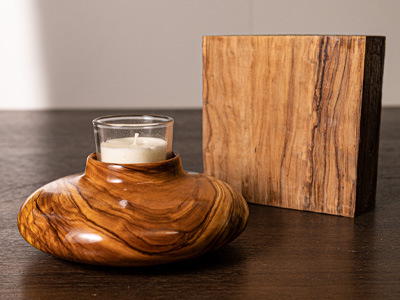
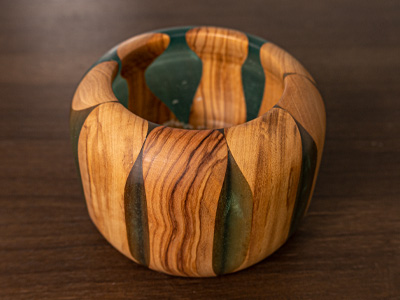
Olive wood is renowned for its distinctive figure, full of flowing contrast and rich grain. With a density of 850–1120 kg/m³, it is hard and compact, ideal for turning and carving with sharp tools and care.
Native to Europe and botanically known as Olea europaea, it’s perfect for decorative bowls, carved figures,...
Comments (0)
No comments at this moment
