
Your cart
There are no more items in your cart
- News
- 1 likes
- 2762 views
- 0 comments
Out-of-Stock
$590.68
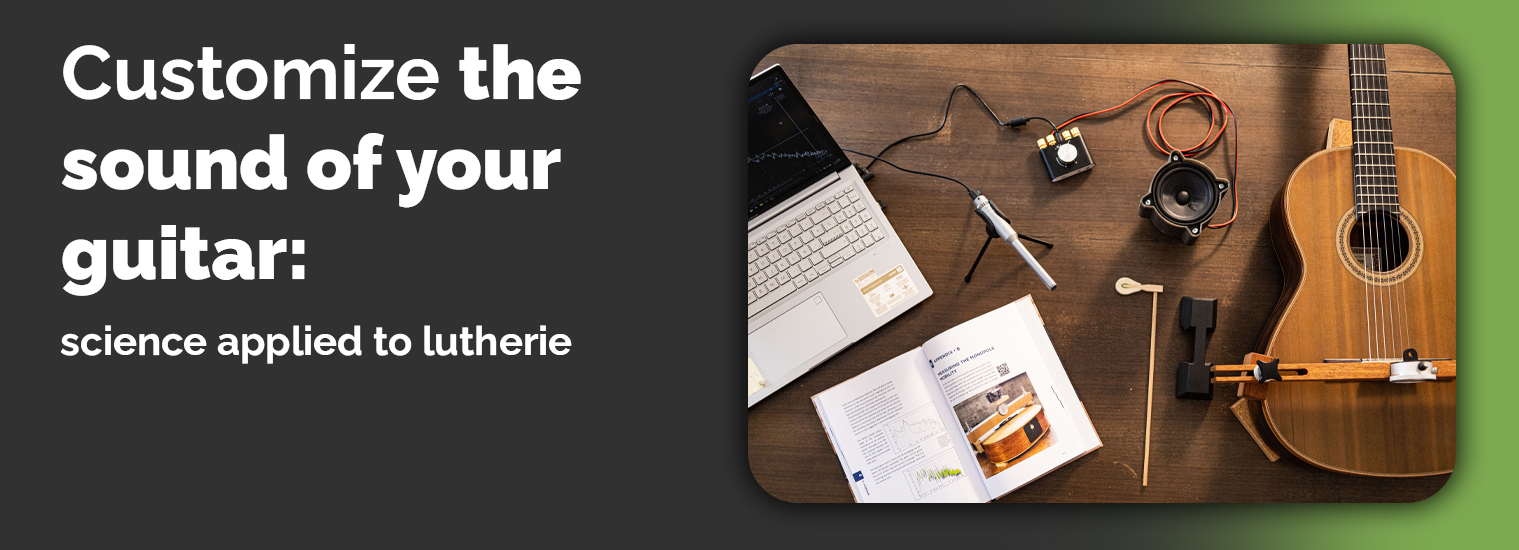
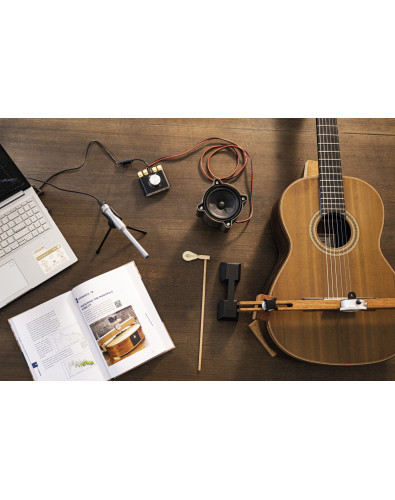
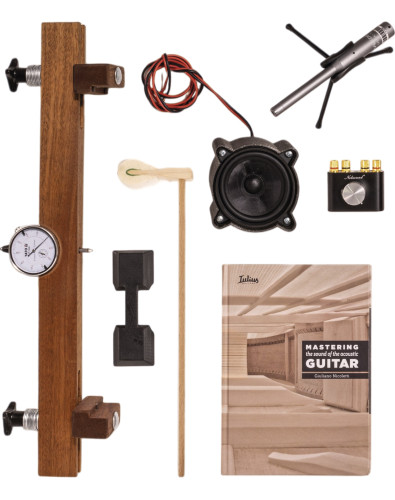
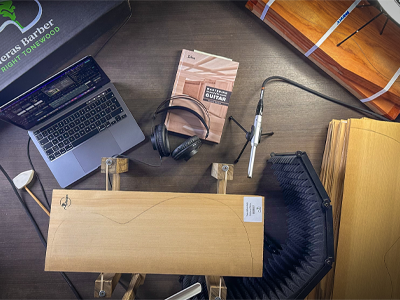
Guitar Acoustic Analysis Kit
This complete set is designed so you can carry out in your own workshop the measurements and analyses proposed by Giuliano Nicoletti in his book Mastering the Sound of the Acoustic Guitar. It includes all the necessary components to carry out the three phases of acoustic study that allow you to evaluate, visualize, and...
$60.93
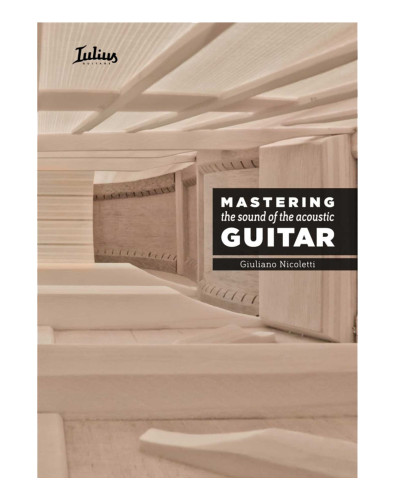
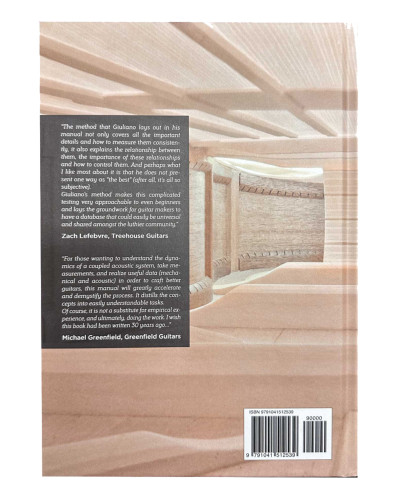
Mastering The Sound Of The Acoustic Guitar
Ever wondered how to measure the sound of the guitars you build? How to shape its sound signature, with a simple method? How to choose the best tone wood for your project, or to solve problems of resonances, or wolf notes?Mastering the sound of the acoustic guitar is a workshop manual written for guitar makers,...

$216.56
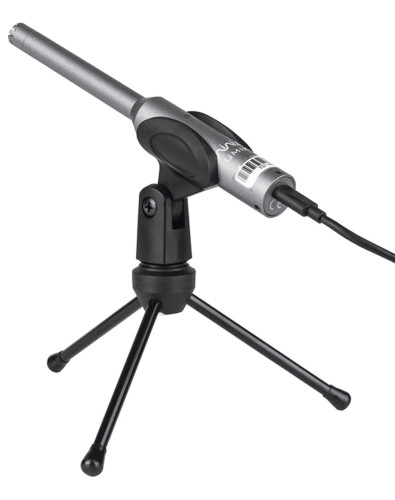
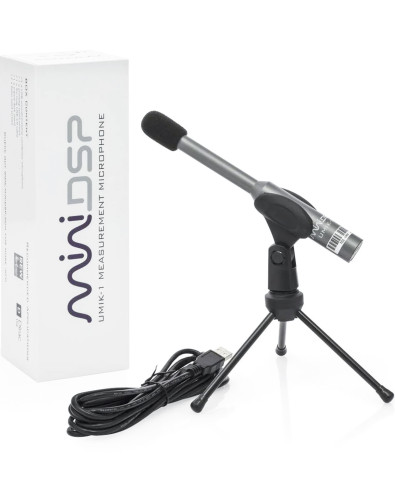
UMIK-1 Omnidirectional Measurement Microphone
The UMIK-1 is an omnidirectional measurement microphone individually calibrated, ideal for precision acoustic studies in the workshop. Each unit includes a serial number to download its own calibration file from the manufacturer's website, ensuring a precise and reproducible frequency response.
It connects...
Out-of-Stock
$76.98
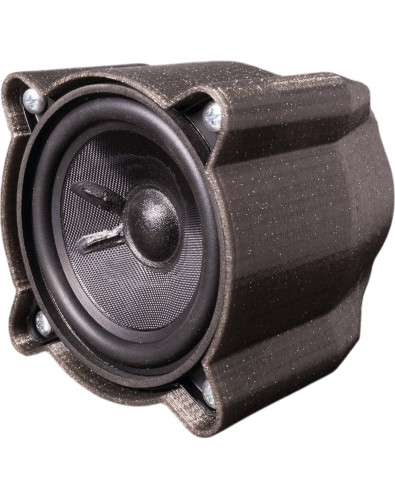
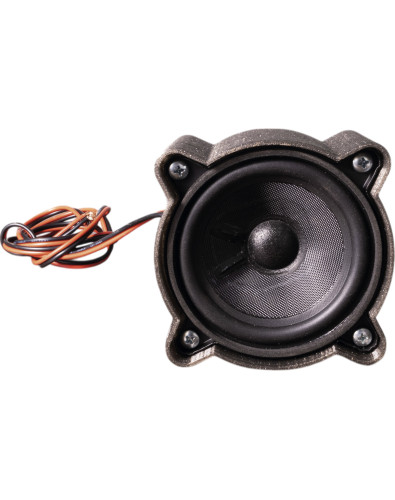
Faital 4FE32 Precision Speaker with Cable
The Faital 4FE32 is a 4-inch speaker designed to deliver accurate response across the mid and high frequency range. This set includes the speaker along with a 1 meter Manax SC22150 cable, featuring marked polarity and excellent flexibility for workshop use.
The unit is mounted on a small 3D-printed enclosure,...
Last items in stock
$82.45
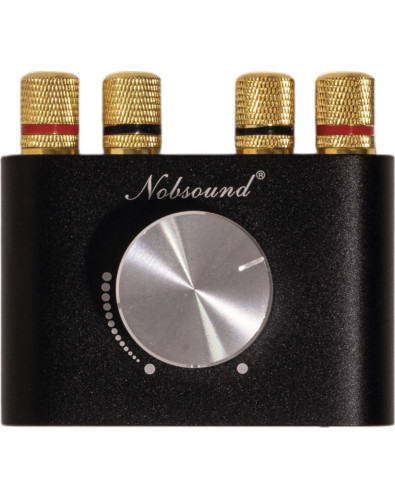
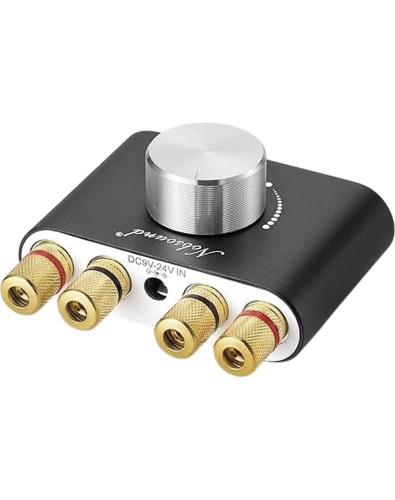
Nobsound Mini Bluetooth Amplifier
This compact amplifier is an essential tool for acoustic analysis using lab speakers or modal testing setups. Despite its small size, it delivers enough power to drive soundboards under test conditions.
The Nobsound Mini Bluetooth offers fast pairing from phone, tablet, or computer via Bluetooth 5.0, and also features...
Out-of-Stock
$164.89
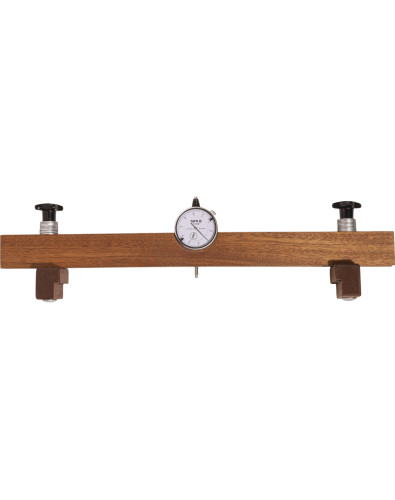
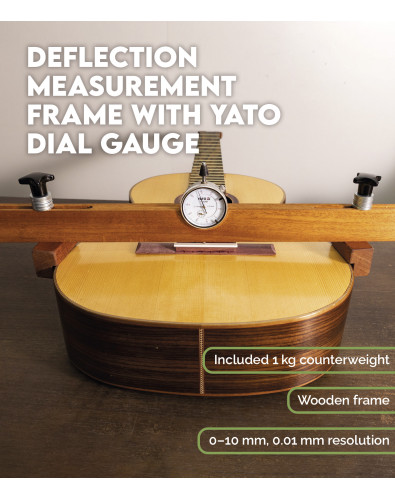
Deflection Measurement Frame with Yato Dial Gauge
This set is designed to accurately measure the deflection of the soundboard under a localized load, a key parameter for assessing its actual stiffness during the building process.
It includes a wooden frame with a dial gauge mount, a Yato YT-72450 dial indicator with 0.01 mm resolution, and a 1 kg...
Out-of-Stock
$590.68
Guitar Acoustic Analysis Kit
This complete set is designed so you can carry out in your own workshop the measurements and analyses proposed by Giuliano Nicoletti in his book Mastering the Sound of the Acoustic Guitar. It includes all the necessary components to carry out the three phases of acoustic study that allow you to evaluate, visualize, and...
$60.93
Mastering The Sound Of The Acoustic Guitar
Ever wondered how to measure the sound of the guitars you build? How to shape its sound signature, with a simple method? How to choose the best tone wood for your project, or to solve problems of resonances, or wolf notes?Mastering the sound of the acoustic guitar is a workshop manual written for guitar makers,...
$216.56
UMIK-1 Omnidirectional Measurement Microphone
The UMIK-1 is an omnidirectional measurement microphone individually calibrated, ideal for precision acoustic studies in the workshop. Each unit includes a serial number to download its own calibration file from the manufacturer's website, ensuring a precise and reproducible frequency response.
It connects...
Out-of-Stock
$76.98
Faital 4FE32 Precision Speaker with Cable
The Faital 4FE32 is a 4-inch speaker designed to deliver accurate response across the mid and high frequency range. This set includes the speaker along with a 1 meter Manax SC22150 cable, featuring marked polarity and excellent flexibility for workshop use.
The unit is mounted on a small 3D-printed enclosure,...
Last items in stock
$82.45
Nobsound Mini Bluetooth Amplifier
This compact amplifier is an essential tool for acoustic analysis using lab speakers or modal testing setups. Despite its small size, it delivers enough power to drive soundboards under test conditions.
The Nobsound Mini Bluetooth offers fast pairing from phone, tablet, or computer via Bluetooth 5.0, and also features...
Out-of-Stock
$164.89
Deflection Measurement Frame with Yato Dial Gauge
This set is designed to accurately measure the deflection of the soundboard under a localized load, a key parameter for assessing its actual stiffness during the building process.
It includes a wooden frame with a dial gauge mount, a Yato YT-72450 dial indicator with 0.01 mm resolution, and a 1 kg...

Last items in stock
$186.41
<
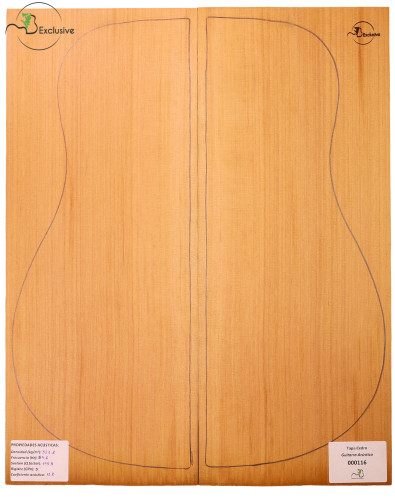
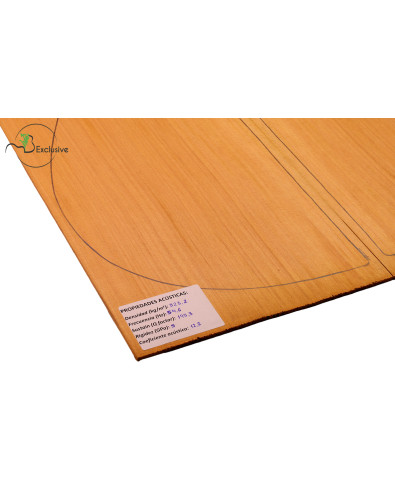
Red Cedar Top MB Exclusive 000116 Features:
Dimensions: (545x220x4mm)x2
Botanical name: Thuja plicata
Origin: Canada
Year: 1994
Density: 323,2Kg/m3
Stiffness / Young's Modulus: 5Gpa
Resonance Frequency: 54,6Hz
Sustain (Q Factor): 195,3
Acoustic Radiation Coefficient: 12,2
Density (Kg/m3): The mass of an object divided by its volume....
Last items in stock
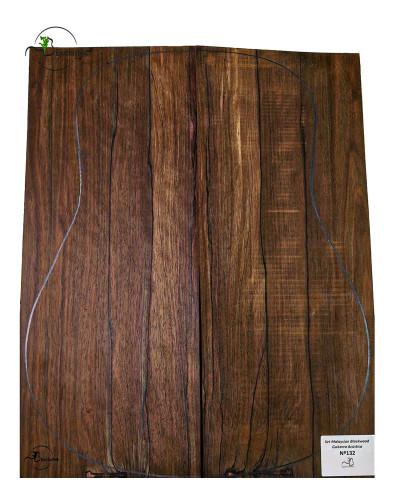
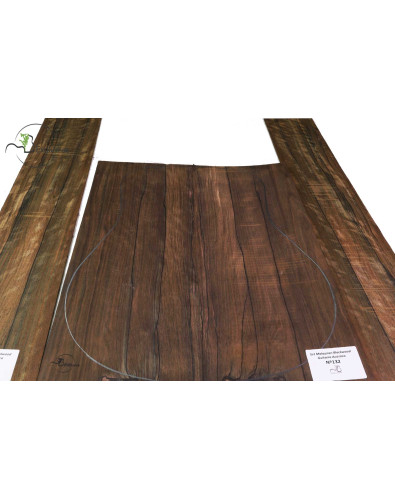
Malaysian Blackwood
Malaysian Blackwood Set Nº132 Acoustic Guitar MB Exclusive
MB Exclusive
14641 y 14642
$472.55
Overview Malaysian Blackwood Set Nº132 Acoustic Guitar MB Exclusive:
Malaysian Blackwood is one of our favourite woods for its many aesthetic and acoustic qualities. For a number of guitar makers it is the future of guitar making, ranking it on a par with the legendary Brazilian Rosewood. These unique sets represent the most exclusive selection in an...
Last items in stock
$186.41
<
Red Cedar Top MB Exclusive 000116 Features:
Dimensions: (545x220x4mm)x2
Botanical name: Thuja plicata
Origin: Canada
Year: 1994
Density: 323,2Kg/m3
Stiffness / Young's Modulus: 5Gpa
Resonance Frequency: 54,6Hz
Sustain (Q Factor): 195,3
Acoustic Radiation Coefficient: 12,2
Density (Kg/m3): The mass of an object divided by its volume....
Comments (0)
No comments at this moment
