
Your cart
There are no more items in your cart
- News
- 16 likes
- 2508 views
- 0 comments
Last items in stock
$45.51
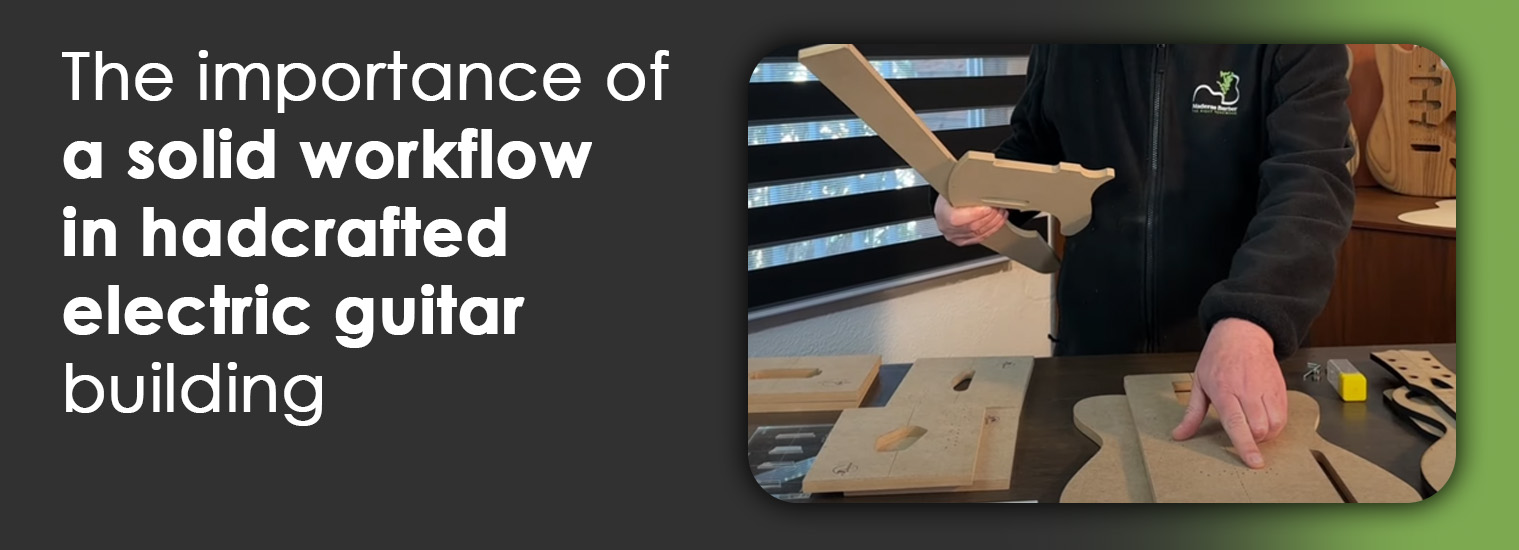
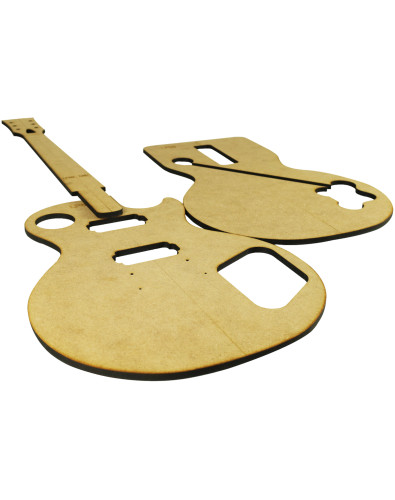
Description Templates LP59- LES PAUL 59:
Laser cut templates made of MDF to make the LP59 electric guitar model, which is one of the most desired guitars of the moment.
The Les Paul 1959 templates are 8 mm thick and consist of 3 parts: front, back and neck (55,5 mm).
These templates are for: the front, back and neck with the electronics cavities,...
Last items in stock
$8.70
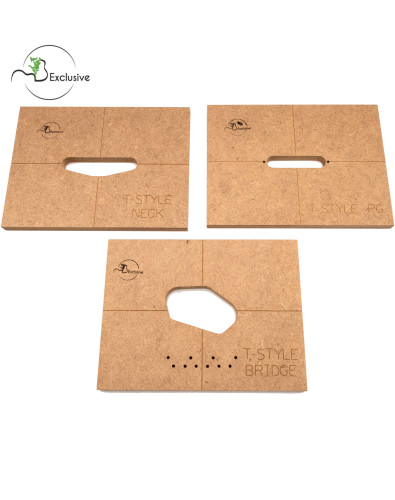
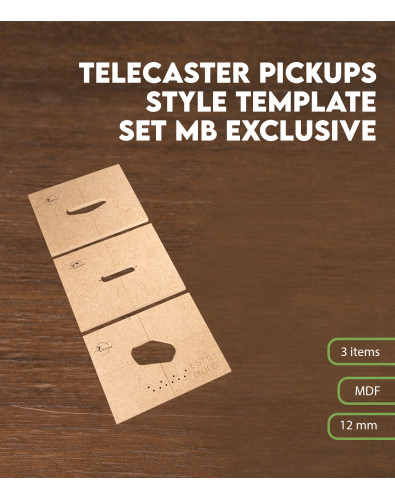
Overview Telecaster Pickups style Template Set MB Exclusive:
Use our Telecaster template set to rout all the required cavities for this model, including both the pockets in the wood and the shape in the pickguard. Of course, you can also use these templates separately on other models created by you. All the pieces are marked with the center line so that...
Out-of-Stock
$50.80
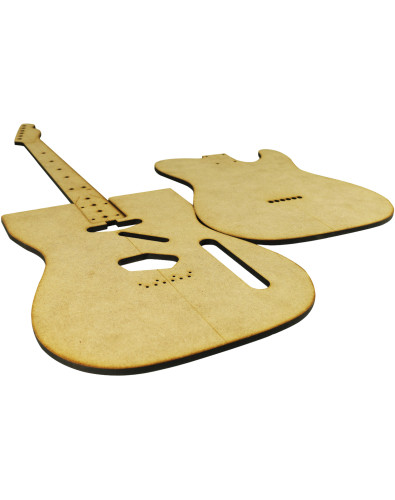
Description Templates TL:
Laser cut templates made of MDF to make the Telecaster electric guitar model.
The Telecaster templates are 8 mm thick and consist of 3 parts: front, back and neck (55,6 mm).
These templates are for: front, back and neck with electronics cavities, neck block, peg holes, position markers, neck joint screws, bridge holes, string...
$8.70
Overview Telecaster Pickups style Template Set MB Exclusive:
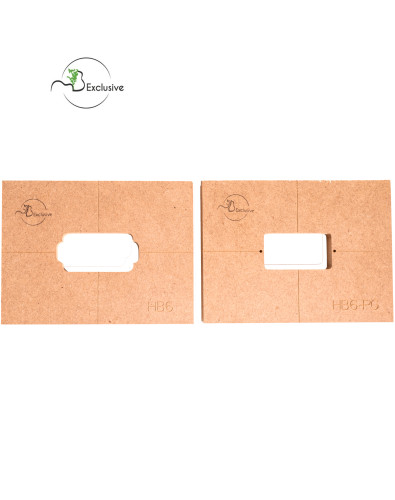
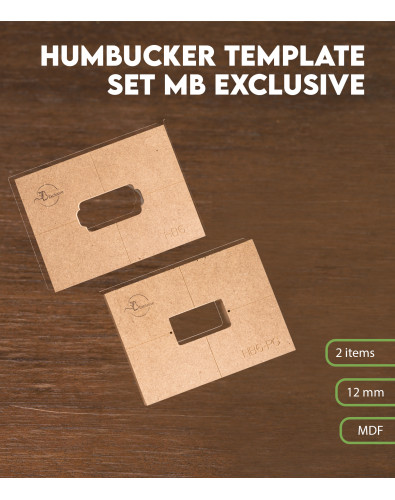
Use our set of templates for humbucker pickups to router all the cavities where you need to place this model. The set includes a template for drilling the wood and a template for cutting the contour of the pickup on the pickguard if you are using one. All the pieces are marked with the center...
Last items in stock
$45.51
Description Templates LP59- LES PAUL 59:
Laser cut templates made of MDF to make the LP59 electric guitar model, which is one of the most desired guitars of the moment.
The Les Paul 1959 templates are 8 mm thick and consist of 3 parts: front, back and neck (55,5 mm).
These templates are for: the front, back and neck with the electronics cavities,...
Last items in stock
$8.70
Overview Telecaster Pickups style Template Set MB Exclusive:
Use our Telecaster template set to rout all the required cavities for this model, including both the pockets in the wood and the shape in the pickguard. Of course, you can also use these templates separately on other models created by you. All the pieces are marked with the center line so that...
Out-of-Stock
$50.80
Description Templates TL:
Laser cut templates made of MDF to make the Telecaster electric guitar model.
The Telecaster templates are 8 mm thick and consist of 3 parts: front, back and neck (55,6 mm).
These templates are for: front, back and neck with electronics cavities, neck block, peg holes, position markers, neck joint screws, bridge holes, string...
$8.70
Overview Telecaster Pickups style Template Set MB Exclusive:
Use our set of templates for humbucker pickups to router all the cavities where you need to place this model. The set includes a template for drilling the wood and a template for cutting the contour of the pickup on the pickguard if you are using one. All the pieces are marked with the center...


Comments (0)
No comments at this moment
