7 Tips for Buying Wood for Musical Instruments Online

A Complete Guide to Choosing Tonewood Online with Confidence

Buying wood for musical instruments online is now common practice among luthiers of all levels, whether you are building your first guitar or have years of experience at the bench.

However, it’s natural to have questions when purchasing online:

  • Will the piece look like the photo?
  • Has it been properly dried?
  • Is the grading reliable?
  • Will it truly work for the project I have in mind?

The good news is that buying tonewood online can be a very positive experience if you understand what to look for and how to interpret the information provided.

In this article, we’ll explore the essential criteria for confidently purchasing instrument wood online.

1. Understand What You’re Buying: Unique Piece or Standard Product

One of the first things to understand is how the product is sold.

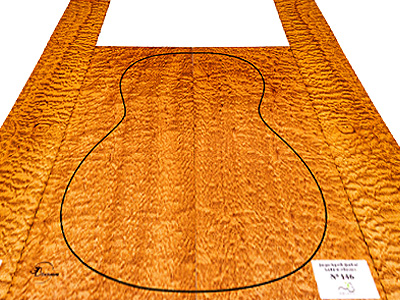
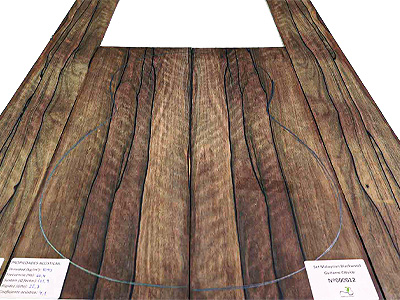
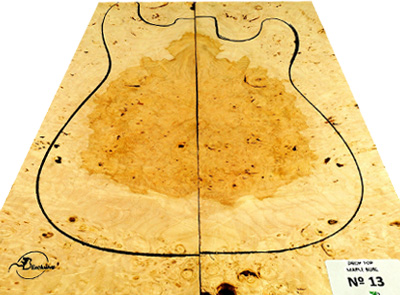
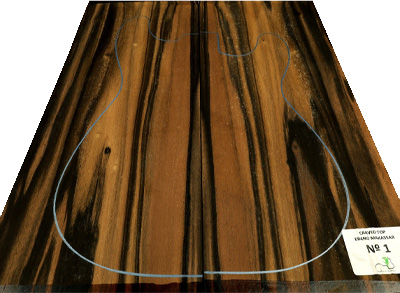
On one hand, there are unique pieces. These are individually selected by tonewood specialists. The piece you choose is exactly the one you will receive. This is especially valuable when you are looking for a specific aesthetic, such as a particular flame pattern or figure.

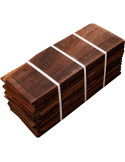
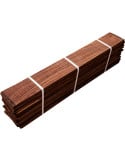
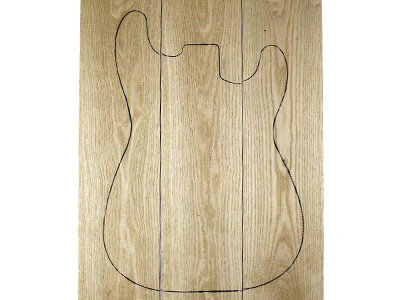
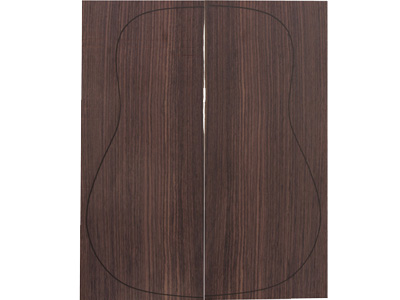
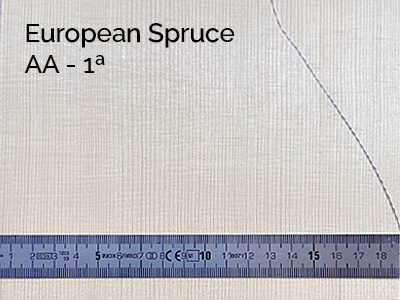
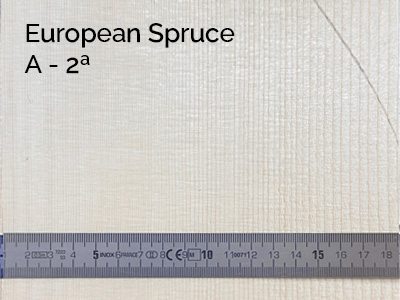
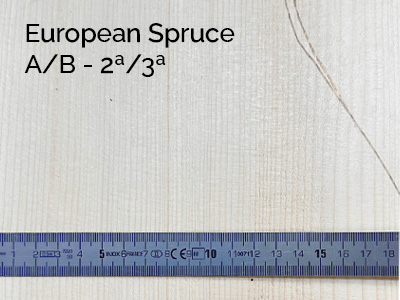
On the other hand, there are standard or catalog products. These are woods of the same species, dimensions, and grade. The product photos represent the species and grading level so you can clearly understand the type of material offered.

When you place your order, a piece is selected from stock according to those same criteria.

If you prefer full control over the exact piece, you can choose the Purchase by picture serviceavailable on the product page.

Understanding this distinction removes much of the initial uncertainty.

2. What to Consider When Buying Instrument Wood

Before purchasing wood for guitars or other string instruments, ask yourself: what part of the instrument is it for?

Selecting wood for a top is not the same as choosing wood for a neck or fingerboard. Each component has a different function and requires different properties.

Key aspects to evaluate include:

  • The intended use within the instrument
  • Structural stability
  • Grain regularity
  • Fiber orientation
  • The selection criteria applied to the wood

3. Types of Cuts in Lutherie: Why They Matter

The way the wood is cut has a major impact on stability and performance.

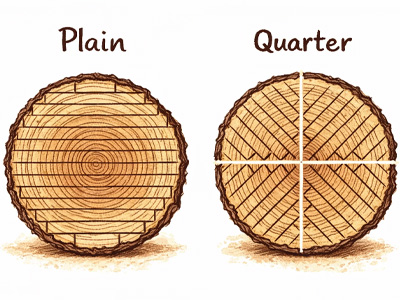
Quartersawn Cut

This is highly valued in musical instrument construction, especially for classical and acoustic guitar soundboards.

The grain runs perpendicular to the face of the piece.

Advantages include:

  • Greater stability

  • More predictable behavior

  • Less movement due to humidity changes

Flatsawn Cut

Here, the grain runs more parallel to the surface. It may display more dramatic figure, but it generally moves more with environmental changes and offers less structural stability.

It is often used in electric instruments where structural demands differ.

When buying instrument wood online, the cut is just as important as the species.

tipos de corte madera para instrumentos musicales

4. Rough Wood: Work It Your Way

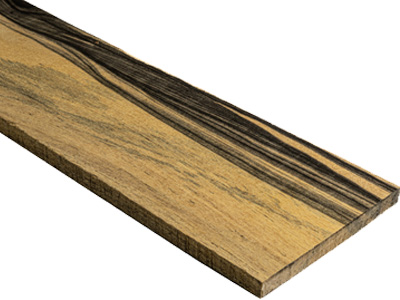
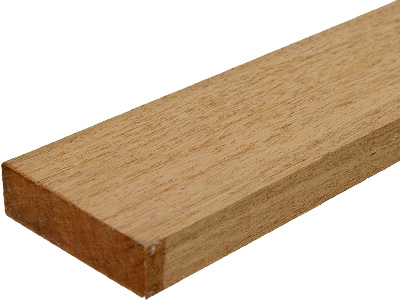
Catalog products are sold as rough wood. This means they are not thickness-sanded to final dimensions or tailored to a specific project.

They are prepared for lutherie, but final adjustments are made in your workshop according to your tools and process.

If your project requires additional preparation, complementary services may include:

This provides flexibility while allowing greater customization when needed.

5. How to Interpret Wood Grades

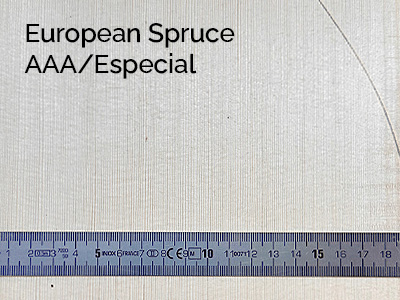
Grades such as A, AA, or AAA are not universal standards within the tonewood industry.

Grading is typically based on:

  • Grain regularity and uniformity

  • Absence of structural defects

  • Symmetry in soundboards

  • Intensity and continuity of figure in decorative woods

  • Overall suitability for musical instrument use

Higher grades usually show more uniform grain and better symmetry. In figured woods, they display stronger and more consistent visual character.

It’s important to understand that grading often refers to structural and aesthetic selection criteria rather than a dramatic difference in acoustic performance.

If you would like to learn more about how we classify our wood, you can consult the detailed criteria in our classification document.

6. Legality, Sustainability, and Traceability: FSC and CITES

If you work with tropical or regulated species, legality is not a minor detail. It is part of your responsibility as a professional.

For this reason, at Maderas Barber we work with species covered by CITES regulations, FSC-certified woods, and processes aligned with sustainability and traceability standards.

What does this mean for you?

It means you can build with peace of mind, knowing the material has a legal and documented origin. And if your instrument travels abroad, goes through customs, or a client asks about the origin of the wood, you have a clear, supported, and transparent answer.

7. Buying wood for musical instruments online can be an advantage

Buying wood online gives you access to a wider variety of tonewoods. You can compare species, review dimensions, analyze different options, and decide whether you prefer a one-of-a-kind piece or a standard product — all at your own pace and with the information clearly available.

When you understand how to select the right wood for each part of the instrument, online purchasing becomes a professional tool.

At Maderas Barber, we work to ensure your experience is clear, consistent, and professional, combining standard products, unique pieces, and additional services so you can find exactly what you need.

And if you ever have questions, our team of professional luthiers is available to guide you on species, cuts, grades, or specific applications. Just reach out via chat, email, or phone.

At the end of the day, every instrument starts with wood.

And picking the right starting point changes everything.

Comments (0)
No comments at this moment
Product added to wishlist
Product added to compare.