
Flame, quilt, burl and spalt each have a specific origin, their own working characteristics, and a defined place within the instrument. Understanding what each figure is and how it behaves is what allows you to choose it with purpose.
-
 Menú close
 - arrow_forward_iosTonewoods
- Tonewoods arrow_back_ios
- arrow_forward_iosTonewoods by Instrument
- arrow_forward_iosTonewoods by Instrument Part
- Tonewoods by Instrument Part arrow_back_ios
- Backs
- Sides
- Bodies
- Fingerboards
- Bridges
- Headstocks
- Corner Blocks
- Kerfing
- Interiors and Bracing
- Other Size Pieces
- Profiles
- Neck Blanks
- Soundboards
- arrow_forward_iosFSC Certified Tonewoods
- FSC Certified Tonewoods arrow_back_ios
- FSC Tonewoods
- CITES Tonewoods
- arrow_forward_iosVeneers
- Veneers arrow_back_ios
- Plywood
- Natural Veneers
- Dyed Veneers
- arrow_forward_iosKits
- arrow_forward_iosTools
- Tools arrow_back_ios
- arrow_forward_iosTool Types
- Tool Types arrow_back_ios
- Sharpening
- Pliers and Nippers
- Planes
- Knives and Blades
- Reamers
- Router Bits and Drill Bits for Lutherie
- Clamps, Vises and Holding Tools
- Chisels and Gouges
- Acoustic Analysis Tools for Luthiers
- Japanese Tools
- Hygrometers, Calipers and Rules
- Sandpapers, Abrasives and Polishing Tools
- Files
- Hammers
- Mallets
- Adjustment Wrenches
- Inspection Tools
- Saws
- String Winders
- Templates for Lutherie
- Applicators and Dispensers
- Electronics for Lutherie
- arrow_forward_iosTools by Work
- arrow_forward_iosMaterials
- Materials arrow_back_ios
- Binding and Purfling
- Nut and Saddle Blank Materials
- Inlay and Pearl
- Frets
- arrow_forward_iosFinishes
- arrow_forward_iosHardware & Parts
- Hardware & Parts arrow_back_ios
- arrow_forward_iosBy Instrument
- arrow_forward_iosHardware & Parts by Type
- Hardware & Parts by Type arrow_back_ios
- Tuning Machines
- Fretwire
- Bridges, Saddles and Tailpieces
- Jack Plates and Control Plates
- Strap Buttons
- Springs and Screws
- String Ferrules and Bushings
- String Retainers
- Neck Plates
- Nuts and Washers
- Truss Rods and Reinforcements
- Guitar and Bass Plastic Parts and Knobs
- Nuts and Saddles
- Pickguards
- Strings
- Binding and Purfling
- Lutherie Books and Plans
- Rosettes
- Acoustic Guitar Bridge Pins
- Cases and Bags
- Luthier Bench Accessories
- Markers, Inlays and Incrustations
- Humidifiers
- Accessories for Bowed Instruments
- Other Guitar and Lutherie Accessories
- arrow_forward_iosElectronics
- Electronics arrow_back_ios
- Pickups
- Switches
- Potentiometers
- Jacks
- Wiring
- Capacitors
- Shielding
- Tuners
- Pickup Components
- arrow_forward_iosUnique Pieces
- Unique Pieces arrow_back_ios
- arrow_forward_iosElectric bass
- Electric bass arrow_back_ios
- Carved tops
- Bodies
- Drop tops
- Neck Blank
- Body tops
- Fingerboard
- arrow_forward_iosAcoustic guitar
- Acoustic guitar arrow_back_ios
- Fingerboard
- Sets
- Tops
- arrow_forward_iosClassical guitar
- Classical guitar arrow_back_ios
- Sets
- Soundboards
- Fingerboard
- arrow_forward_iosElectric guitar
- Electric guitar arrow_back_ios
- Carved tops
- Bodies
- Drop tops
- Body tops
- Fingerboard
- Neck Blanks
- Bowed String Instruments
- Other tonewoods
- arrow_forward_iosPromotions
- Promotions arrow_back_ios
- Reduced Products
- Clearance
- Sale
- Flash Offers
-
Moneda:
News
-
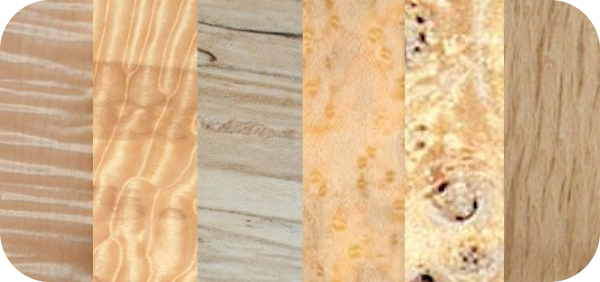 Wood Figures: Beyond AestheticsRead More
 -
 Practical guide to drying and storing tonal woodRead More
Learn how to properly dry and store your lutherie wood. Essential tools, drying methods, common mistakes and a species reference table. Free guide by Maderas Barber.
-
 Seven Tips for Buying Wood for Musical Instruments OnlineRead More
Learn how to pick tonewood for musical instruments online with confidence and a pro mindset. Practical tips on cuts, grades, tonewood, and sustainability for luthiers.
-
 Qué significa que una madera esté bien secada (y por qué importa de verdad)Read More
Secar madera no es esperar.Es controlar cómo pierde su humedad para que sea estable, predecible y segura de trabajar.Lo que no se ve al principio es lo que acaba marcando la diferencia.
-
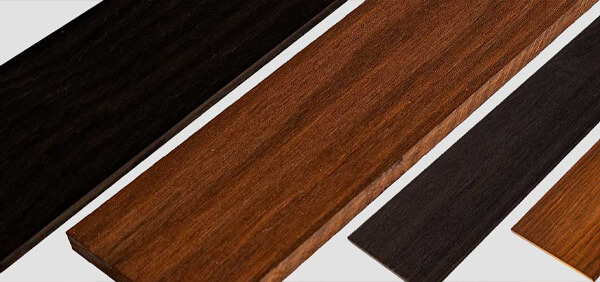 Brankowood: a sustainable alternative to ebonyRead More
Modern luthery faces a new challenge: maintaining excellence without relying on increasingly scarce tropical species. The answer comes from innovation, with a proposal that combines sustainability, stability, and respect for tradition: Brankowood.
-
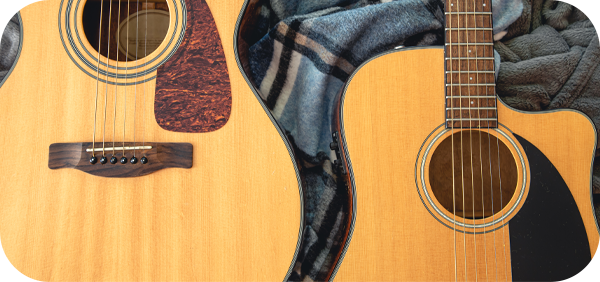 Acoustic guitar top sizes: complete guide for luthiersRead More
Learn about the standard sizes of acoustic guitars such as dreadnought, jumbo or parlor, the most used woods and musical references that marked an era in folk, pop and fingerstyle.
-
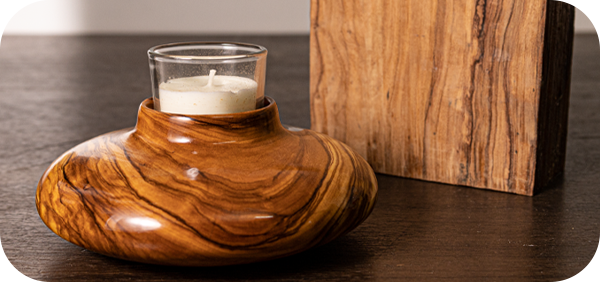 Stepping into Toni Mínguez’s workhop: where woodworking turns into pure artRead More
Discover the art of olive wood turning with Toni Mínguez, and explore the finest wood species and current trends featured in the “Turning & Carving” section at Maderas Barber.
-
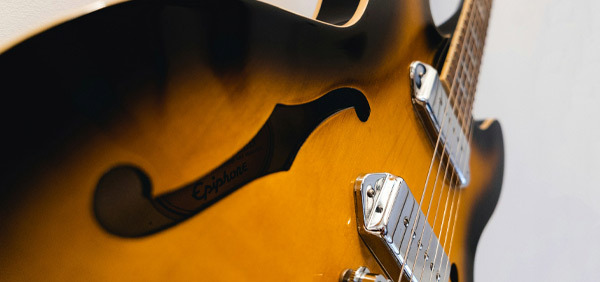 Learn how to wind your own P-90 pickup: step-by-step tutorialRead More
Complete tutorial with Ricardo Lira to build a P-90 pickup from scratch: history, winding technique, materials needed and kits available at Maderas Barber.
-
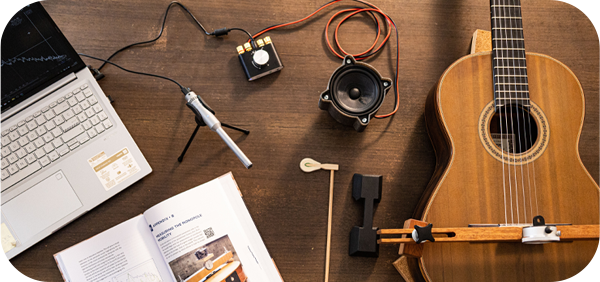 Analyze and transform the sound of your guitar.Read More
Would you like to gain a thorough understanding of how your guitar responds to sound? In this article, we explain how to apply Giuliano Nicoletti's method for studying the top, visualizing vibration modes, and adjusting the bracing. A practical and accessible approach to bringing acoustic research directly to your workshop.
-
 Since 1957 growing, 68 years of learning…Read More
This year marks our 68th anniversary sharing our passion for wood with luthiers, artisans, and craft lovers around the world. To celebrate, we don’t just want to talk about species and properties — we want to share what we’ve learned. Because each of these woods has taught us something. Some spoke to us about patience, others about adaptability, aesthetics, or listening. And all of them, without exception, have shaped us into who we are today.
-
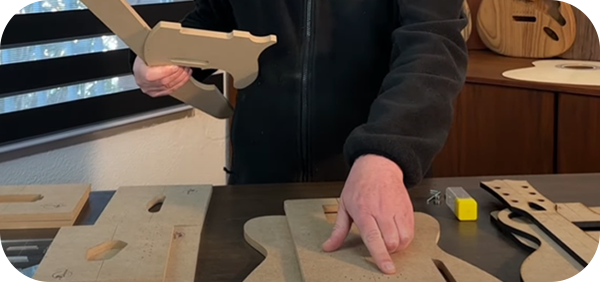 The importance of good design and a solid workflow in handcrafted electric guitar buildingRead More
Building an electric guitar isn’t an improvised or purely intuitive process. It’s applied design. Every millimeter gained or lost has a direct impact on the final result—on the instrument’s balance, playability, and of course, its tone.
-
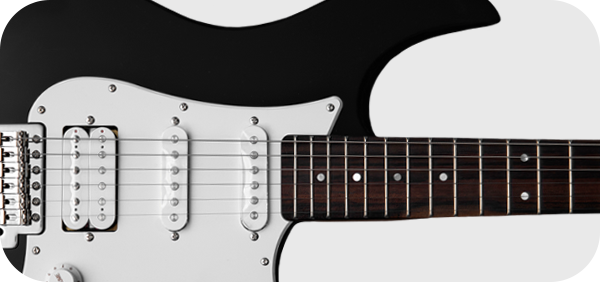 How to choose the right string gauge based on your guitar's scale and tuningRead More
Choosing the right string gauge is no small decision. For many musicians and luthiers, finding the ideal balance between tension, tuning, and scale can make the difference between a comfortable, resonant, and expressive instrument, and one that feels loose or difficult to play.